

Best Practices for Cleaning and Disinfecting Small Offices in Nairobi
Keeping a small office clean and disinfected does more than make the place look neat it protects staff health, improves productivity, and preserves equipment. In Nairobi’s busy environment, where dust, traffic pollution and intermittent water supply can add extra cleaning challenges, having a simple, repeatable cleaning plan is essential. Below is a practical, low-cost guide you can implement whether you run a three-person startup or a 25-seat office.
1. Start with a sensible cleaning schedule
Create a routine that separates daily, weekly, and monthly tasks.
-
Daily: empty bins, wipe high-touch surfaces (doorknobs, light switches, reception counter, shared printers), sweep or vacuum floors in high-traffic areas, clean kitchen sink and surfaces, and sanitize shared devices (phone handsets, remote controls).
-
Weekly: mop floors, dust vents and blinds, clean internal glass, deep-clean kitchen appliances (microwave, kettle), clean meeting rooms thoroughly after use.
-
Monthly: strip and deep-clean carpets or rugs, clean behind and under large furniture and equipment, check and clean air-conditioning filters, inspect for pest signs and schedule fumigation if needed.
A visible cleaning service rota placed in the staff room or reception helps everyone know when common areas were last cleaned.
2. Focus on high-touch hotspots
Studies repeatedly show germs concentrate on frequently touched surfaces. In an office, prioritize:
-
Door handles, elevator buttons, light switches
-
Shared keyboards, mice, printers, and photocopiers
-
Conference table and chairs, coffee station, water dispenser taps
-
Mobile phones and staff ID/access cards
Wiping these surfaces with an approved disinfectant at least once daily (more during flu season) reduces transmission risks significantly.
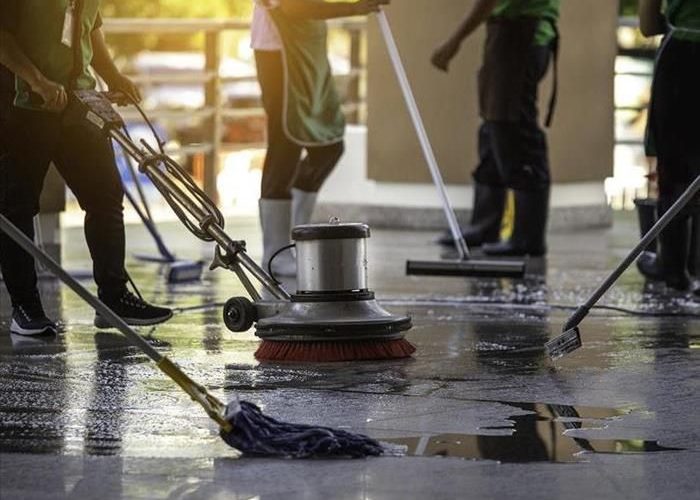
3. Choose the right cleaning and disinfectant products
Distinguish between cleaning (removing dirt, grease) and disinfecting (killing microbes).
-
Cleaning first: use a detergent or general-purpose cleaner to remove visible soil. Disinfectants work better on clean surfaces.
-
Disinfectants: common, effective, and affordable options include bleach solutions (sodium hypochlorite) prepared to recommended concentrations and commercially available EPA-equivalent surface disinfectants. Follow manufacturer instructions for contact time (the time the surface must remain wet).
-
Electronics: use alcohol-based wipes (at least 70% isopropyl alcohol) to clean keyboards, phones, and screens. Avoid saturating devices.
-
Eco-choices: for sustainability, consider biodegradable detergents and refillable dispensers. However, don’t substitute eco-products where a stronger disinfectant is required (e.g., after suspected exposure to infectious illness).
Always store chemicals safely, keep them labeled, and maintain a simple Safety Data Sheet (SDS) folder for products used in the office.
4. Train staff and provide PPE where needed
Small offices often rely on in-house staff or outsourced cleaners. Ensure everyone understands proper techniques:
-
Teach correct wiping patterns (top to bottom, clean to dirty) and the difference between cleaning and disinfecting.
-
Provide gloves and eye protection to cleaning staff when handling strong disinfectants.
-
Remind employees to wash hands regularly and provide hand sanitizer stations (70% alcohol-based) at entry points and by shared equipment.
A 15–20 minute training session every quarter can dramatically improve cleaning quality and safety.
5. Manage waste responsibly
Nairobi offices encounter both general waste and potentially infectious waste (used tissues, masks). Best practices:
-
Use separate, lined bins for general waste, paper recycling, and wet waste (if composting is available).
-
Empty bins daily and avoid overfilling. Tie bags securely before disposal.
-
If your office generates hazardous waste (batteries, e-waste), collect and hand them over to certified recyclers. Many Nairobi recyclers accept e-waste and batteries check local options.
Labeling bins clearly reduces cross-contamination and encourages staff participation.
6. Protect soft furnishings and carpets
Carpets and fabric chairs can trap dust, allergens, and pests.
-
Vacuum carpets weekly and spot-clean spills immediately.
-
Consider periodic steam cleaning for carpets (every 3–6 months depending on traffic).
-
Choose furniture materials that are easy to wipe down vinyl or leatherette in high-use areas are easier to disinfect than fabric.
7. Address water and air quality issues
Intermittent water supply in some parts of Nairobi means keep backup plans:
-
Store adequate handwashing supplies and a small supply of potable water for cleaning if needed.
-
Keep air-conditioning units regularly serviced and filters cleaned monthly. Good ventilation — opening windows when practical reduces indoor pollutant buildup.
If your building has a central HVAC system, coordinate filter maintenance with building management
8. Pest prevention
Cockroaches and rodents are common in urban environments and can be attracted by food waste.
-
Keep food in sealed containers and encourage staff to clear eating areas promptly.
-
Clean kitchen spaces daily and dispose of food waste properly.
-
Seal gaps around doors and windows and request periodic pest inspections from a licensed pest control company if you see signs of infestation.
9. Keep a cleaning supplies inventory and budget
A simple inventory sheet prevents last-minute runs for soap or disinfectant. Track:
-
Consumables (soap, sanitizer, paper towels, disinfectant)
-
PPE (gloves, masks)
-
Replacement items (vacuum bags, mop heads)
Allocate a small monthly budget so cleaning never competes with critical operational expenses.
10. Communicate and encourage staff participation
A clean office is a shared responsibility. Use clear signage, occasional reminders, and polite policies (e.g., “clean desk” at the end of the day) to keep everyone involved. Celebrate small wins a tidy office is a morale booster.
A practical, consistent approach to cleaning and disinfecting will keep your Nairobi office healthier, safer, and more inviting. Start small: create a simple cleaning checklist, train staff, and build habits the cumulative effect is large. If you’d like, I can create a printable cleaning checklist or a one-month cleaning rota tailored to your office size.