
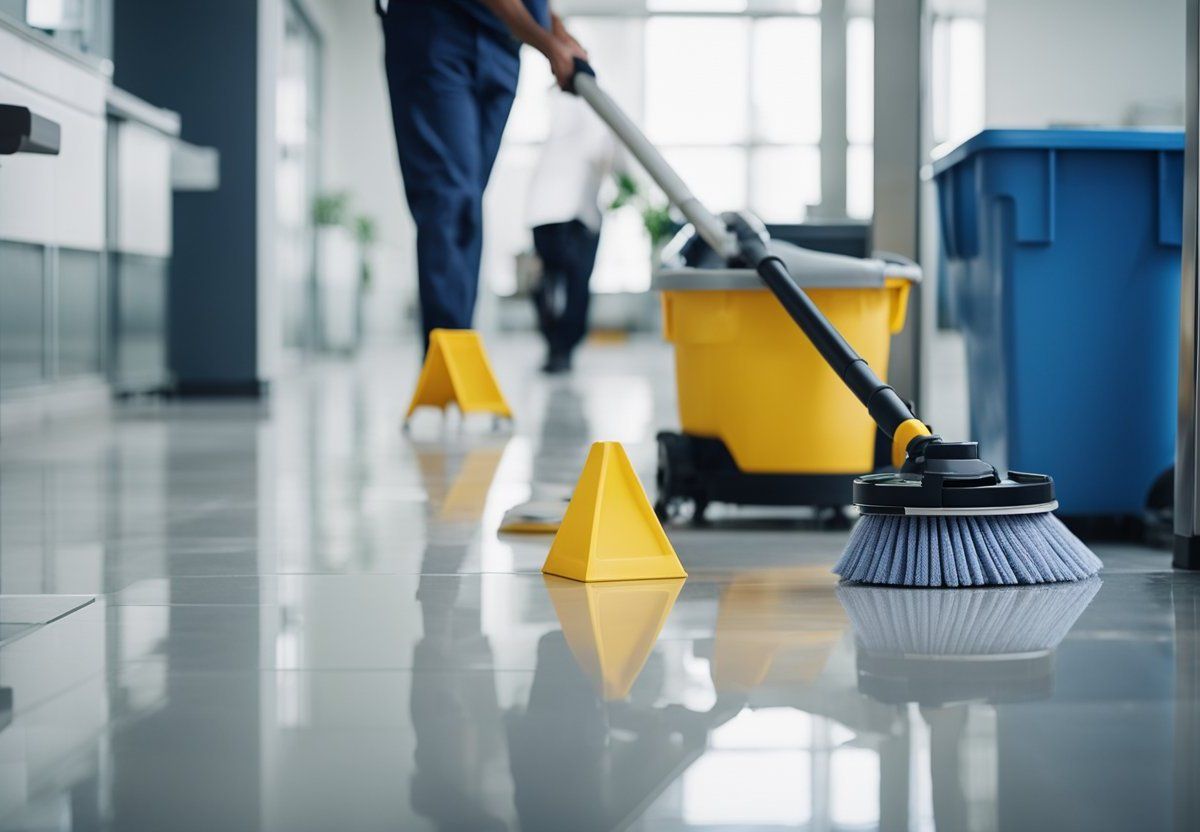
Completing a construction or renovation project is a major milestone for any commercial building. However, before tenants, employees, or customers can safely occupy the space, post-construction cleaning is a critical final step that should never be overlooked. In Kenya’s fast-growing commercial construction sector—covering office buildings, malls, warehouses, hospitals, and schools—proper post-construction cleaning ensures safety, compliance, and a professional finish.
This guide outlines an essential post-construction cleaning checklist for commercial buildings in Kenya, helping property owners, developers, and facility managers achieve a clean, safe, and ready-to-use space.
Why Post-Construction Cleaning Is Critical
After construction, dust, debris, cement residue, paint splashes, and packaging waste remain embedded across surfaces. These contaminants:
-
Pose health risks such as respiratory irritation
-
Damage finishes and fixtures if not cleaned correctly
-
Interfere with mechanical systems
-
Delay occupancy permits and handovers
-
Create a poor first impression for tenants or clients
Professional post-construction cleaning restores hygiene, protects surfaces, and prepares the building for immediate use.
1. Removal of Construction Debris and Waste
The first step in post-construction cleaning is clearing all debris left behind by contractors.
Collect and dispose of:
-
Cement bags, wood offcuts, nails, screws
-
Packaging materials and plastics
-
Broken tiles, glass, and scrap metal
Proper waste segregation and disposal should follow NEMA environmental guidelines to ensure compliance and sustainability.
2. High-Dust Removal and Surface Vacuuming
Construction dust settles in hidden and hard-to-reach areas and can circulate through HVAC systems if not removed early.
-
Walls and ceilings
-
Cornices, beams, and ledges
-
Light fittings and air vents
-
Window frames and door trims
Industrial vacuums with HEPA filters are recommended to prevent dust from resettling.
3. Floor Cleaning and Surface Restoration
Floors take the most abuse during construction and require specialized treatment depending on the material.
Floor cleaning includes:
-
Scrubbing cement and grout residue
-
Removing paint and adhesive stains
-
Polishing tiles and terrazzo
-
Protecting wooden floors from moisture damage
Using the wrong chemicals can permanently damage floors, making professional cleaning essential.
4. Window and Glass Cleaning
Glass surfaces highlight cleanliness instantly. Poorly cleaned windows can ruin the appearance of a new commercial building.
Window cleaning checklist:
-
Removal of stickers and labels
-
Cleaning of paint and cement splashes
-
Washing of glass panes, frames, and sills
-
Polishing for a streak-free finish
For high-rise buildings, trained cleaners and height-safety equipment are critical.
5. Interior Fixtures and Fittings Cleaning
A commercial building contains numerous installed fixtures that trap fine construction dust.
Clean:
-
Light switches and sockets
-
Door handles and locks
-
Cabinets and shelves
-
Hand rails and balustrades
These areas should be carefully cleaned and sanitized to prevent scratches and electrical damage.
6. Restroom and Kitchen Area Deep Cleaning
Washrooms and kitchen areas require thorough sanitization before use.
Cleaning tasks include:
-
Descaling toilets, sinks, and urinals
-
Removing cement residue from tiles
-
Cleaning mirrors and chrome fittings
-
Disinfecting surfaces to health-grade standards
In Kenya, hygiene compliance is especially important for hospitals, food facilities, and offices.
7. HVAC, Ventilation, and Air Quality Control
Construction dust often enters ductwork during building works.
HVAC cleaning involves:
-
Cleaning vents and grilles
-
Replacing or cleaning air filters
-
Removing debris from ducts where accessible
This step improves indoor air quality and prevents dust circulation once the building is occupied.
8. External Areas and Building Surroundings
A complete post-construction clean extends beyond the interior.
Exterior cleaning checklist:
-
Pressure washing walkways and parking areas
-
Cleaning entrances and signage
-
Removing cement residues from pavements
-
Clearing landscaping waste
Clean external areas improve safety and enhance the building’s professional appearance.
9. Final Detailing and Quality Inspection
The final step is fine detailing, ensuring no area is overlooked.
Final checks include:
-
Spot cleaning any remaining stains
-
Removing fingerprints from surfaces
-
Polishing stainless steel fixtures
-
Inspecting corners, edges, and hidden spaces
A final inspection ensures the property is ready for handover and occupancy.
Why Hire Professional Post-Construction Cleaners in Kenya?
Commercial post-construction cleaning is complex and labor-intensive. Professional cleaners offer:
-
Trained staff with construction-cleanup expertise
-
Industrial equipment and safe chemicals
-
Compliance with occupational health and safety standards
-
Faster turnaround times
-
Reduced risk of surface damage
Hiring experts ensures the building is cleaned properly the first time.
Post-construction cleaning is not just about appearance—it is about safety, hygiene, and functionality. Following a structured post-construction cleaning checklist helps commercial buildings in Kenya transition smoothly from construction to occupation.
Whether it’s a newly built office tower in Nairobi, a warehouse in Athi River, or a hospital wing in Mombasa, professional post-construction cleaning ensures the space is clean, compliant, and ready for business.
Investing in thorough post-construction cleaning protects your property, speeds up occupancy, and leaves a flawless first impression.